Did you know that millions of plastic food trays are used every day? These trays are essential in the food service and catering industries. However, their environmental impact raises an important question: can black plastic food trays be recycled?
In this article, we will explore the recyclability of plastic food trays, especially the black ones. You'll learn about their materials, the recycling process, and eco-friendly alternatives.
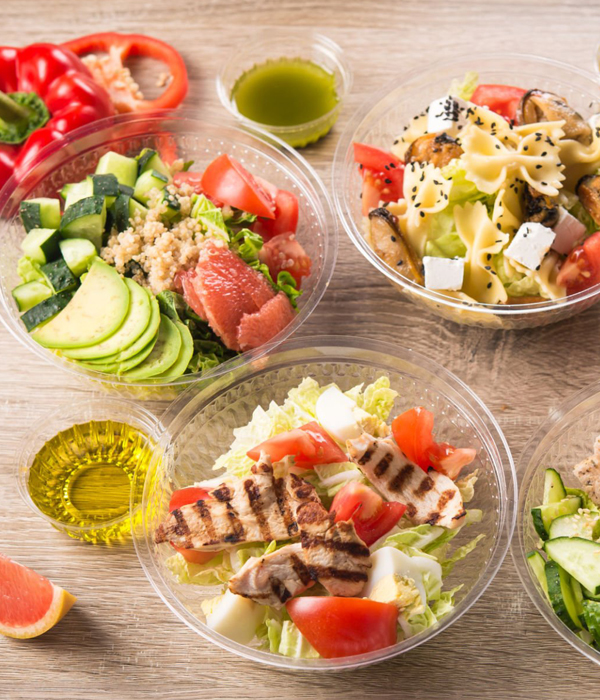
Understanding Plastic Food Trays
What Are Plastic Food Trays?
Plastic food trays are essential containers widely used in the food industry. They serve various purposes, from holding ready-to-eat meals to packaging fresh produce. Made from different types of plastics, these trays are designed for convenience and efficiency.
Common materials used in plastic food trays include:
● PET (Polyethylene Terephthalate): Clear and lightweight, PET trays are often used for salads and snacks.
● CPET (Crystalline Polyethylene Terephthalate): These trays can withstand high temperatures, making them suitable for microwave and oven use.
● PLA (Polylactic Acid): A bioplastic made from renewable resources, PLA trays are biodegradable and compostable.
● PP (Polypropylene): Known for its durability, PP trays are frequently used in fast food restaurants.
Types of Plastic Food Trays
There are several types of plastic food trays, each with unique characteristics:
1. PET Trays
a. Characteristics: Clear, lightweight, and recyclable.
b. Recyclability: Easily recyclable in many areas, but check local guidelines.
2. CPET Trays
a. Features: Dual-ovenable and suitable for both freezing and heating.
b. Recyclability: Often accepted in recycling programs, but confirm local capabilities.
3. PLA Trays
a. Nature: Made from renewable resources, these trays are compostable.
b. Use: Ideal for cold foods and environmentally conscious consumers.
4. PP Trays
a. Durability: Lightweight yet strong, commonly used for takeout.
b. Recyclability: Recyclable but varies by location.
5. Bagasse Trays
a. Material: Made from sugarcane fiber, which is a byproduct.
b. Benefits: Biodegradable and compostable, making them eco-friendly.
6. Cornstarch Trays
a. Properties: Biodegradable and suitable for cold food items.
b. Limitations: Less heat-resistant compared to other materials.
Type of Tray | Material | Recyclability | Key Features |
PET | PET | Yes | Lightweight, clear |
CPET | CPET | Yes (check local rules) | Dual-ovenable |
PLA | Polylactic Acid | Yes (compostable) | Biodegradable |
PP | Polypropylene | Yes (varies by location) | Durable, often used in fast food |
Bagasse | Sugarcane fiber | Yes (compostable) | Eco-friendly |
Cornstarch | Cornstarch | Yes (biodegradable) | Suitable for cold food |
Each type of plastic food tray has its own advantages and limitations. Understanding these differences helps consumers make informed choices about their packaging. Whether you prioritize recyclability, durability, or environmental impact, there's a plastic food tray that fits your needs.
The Recycling Process
How Are Plastic Food Trays Recycled?
Recycling plastic food trays involves several key steps. Here’s a quick overview of the process:
1. Collection: Used plastic food trays are collected from various sources, including households and businesses.
2. Sorting: Trays are sorted based on their material type. This step is crucial for effective recycling.
3. Cleaning: Before recycling, trays must be cleaned to remove food residues. Contaminants can affect the quality of recycled materials.
4. Shredding: Clean trays are shredded into smaller pieces. This makes it easier to process them.
5. Melting: The shredded plastic is melted down and formed into pellets. These pellets can be used to create new products.
Importance of Sorting and Cleaning
Sorting and cleaning are vital steps. Contaminated trays can lead to poor-quality recycled materials. Proper preparation increases the chances of successful recycling.
Challenges in Recycling Plastic Food Trays
Recycling plastic food trays comes with several challenges:
● Material Diversity: Different types of plastics require specific recycling methods. This diversity complicates the recycling process.
● Black Plastic Trays: Black trays pose a unique problem. Many recycling facilities use infrared technology to sort plastics, but black pigments can hinder detection.
Specific Issues Related to Black Plastic Food Trays
Black plastic food trays often end up in landfills. Their color makes it difficult for sorting machines to identify them. This results in lower recycling rates for these trays.
Advancements in Technology
Fortunately, technology is improving. New sorting technologies are being developed to better detect black plastics. For example:
● Near-Infrared (NIR) Technology: Advances in NIR technology allow for better identification of black plastics.
● Optical Sorting Systems: These systems can differentiate between various plastic types, increasing recycling efficiency.
Challenge | Impact | Technological Solution |
Material diversity | Complicates recycling processes | Improved sorting technologies |
Black plastic detection | Lowers recycling rates | Near-infrared technology |
Contamination from residues | Reduces quality of recycled materials | Enhanced cleaning protocols |
As technology continues to evolve, the future looks promising for recycling plastic food trays, especially black ones. We can expect better solutions that enhance recycling efforts and reduce waste.
Can Black Plastic Food Trays Be Recycled?
Composition of Black Plastic Food Trays
Black plastic food trays are commonly made from materials like polypropylene (PP) and polystyrene (PS). These plastics are popular due to their durability and lightweight nature. However, the pigments used to create the black color can complicate recycling efforts.
● Polypropylene (PP): Often used for takeout containers, it is recyclable in many areas.
● Polystyrene (PS): Common in fast food packaging but less frequently accepted in recycling programs.
Recyclability of Materials
While both materials can be technically recyclable, the presence of black pigments poses a challenge. Many recycling facilities struggle to detect black plastics due to their infrared sorting systems. This results in a lower recycling rate for black plastic food trays.
Recycling Black Plastic: Current Technologies
Advancements in recycling technology are improving the recyclability of black plastics. Here’s a look at some key developments:
● Enhanced Sorting Technologies: Newer sorting machines use advanced sensors that can better identify black plastics.
● Chemical Recycling Methods: These methods break down plastics into their original monomers, allowing for the creation of new plastic products. This process can work with colored plastics, including black.
Examples of Successful Facilities
Several recycling facilities have begun to successfully process black plastic food trays:
● Facility A: This facility utilizes advanced near-infrared sorting technology to effectively identify and recycle black plastics.
● Facility B: They have implemented a chemical recycling process, allowing them to handle a wider range of plastic colors.
Specific Recycling Programs
Some recycling programs specifically target black plastic materials. For instance:
● Program X: A community initiative that collects black plastic food trays separately, ensuring they are processed correctly.
● Program Y: Partnered with local businesses to encourage the return of black trays for recycling, boosting participation rates.
Technology/Program | Description | Impact |
Enhanced Sorting Technologies | Advanced sensors for better detection of black plastics | Increased recycling rates |
Chemical Recycling Methods | Breaks down plastics into original materials | Allows for recycling of colored plastics |
Program X | Community initiative for separate collection | Ensures proper processing of black trays |
Program Y | Partnership with businesses for tray return | Boosts community participation |
Case Studies
Real-world examples show how successful recycling programs can make a difference:
● Case Study 1: A city implemented a black plastic collection program. As a result, the recycling rate for black food trays increased by 30%. This led to reduced landfill waste and a more sustainable community.
● Case Study 2: A local restaurant chain partnered with a recycling facility to ensure their black trays were recycled. This initiative not only improved their sustainability profile but also educated customers about recycling practices.
These programs highlight the positive impact of recycling black plastic food trays on local communities and the environment. With ongoing improvements in technology and community engagement, the future for recycling black plastics looks brighter.
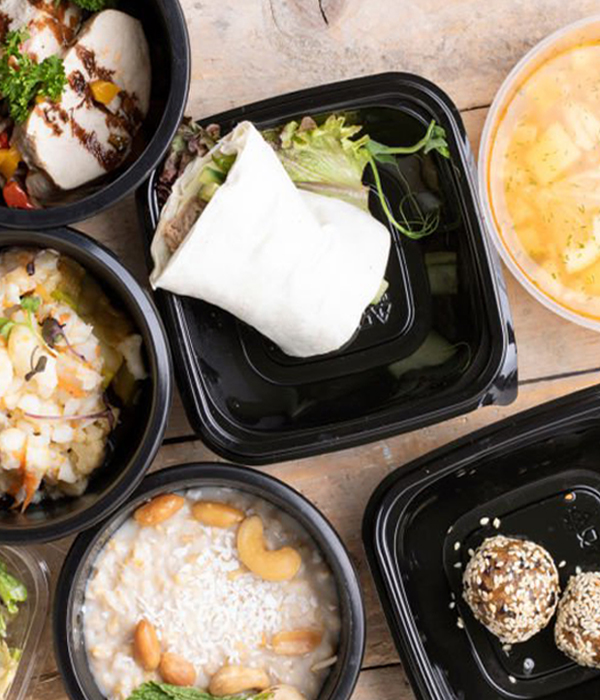
Environmental Impact of Plastic Food Trays
Why Recycling Matters
Recycling plastic food trays plays a crucial role in environmental conservation. Here’s why it matters:
● Landfill Waste Reduction: Recycling helps divert plastic food trays from landfills. This reduces the overall volume of waste, which is essential for managing limited landfill space.
● Resource Conservation: When we recycle, we conserve valuable resources. For example, recycling plastic saves energy and reduces the need for new raw materials. This can lead to lower greenhouse gas emissions.
Environmental Benefits of Recycling
● Lower Carbon Footprint: Recycling plastic results in fewer emissions compared to producing new plastic.
● Preservation of Natural Resources: It reduces the demand for fossil fuels and other raw materials used in plastic production.
Alternatives to Black Plastic Food Trays
As we look for ways to reduce our environmental impact, eco-friendly alternatives to black plastic food trays are gaining popularity. Some options include:
● Biodegradable Trays: Made from natural materials, these trays break down more easily in the environment.
● Compostable Materials: These trays can decompose in composting conditions, returning nutrients to the soil.
Benefits of Using Sustainable Options
Switching to sustainable options in food service offers several advantages:
1. Environmental Protection: Using biodegradable or compostable trays helps reduce plastic pollution.
2. Consumer Appeal: Many customers prefer businesses that prioritize eco-friendly practices.
3. Compliance with Regulations: Some regions have regulations encouraging or mandating the use of sustainable packaging.
Alternative | Description | Benefits |
Biodegradable Trays | Break down naturally over time | Reduces plastic waste in landfills |
Compostable Materials | Decompose in composting environments | Enriches soil and reduces waste |
Recyclable Paper Trays | Made from recycled paper, easily processed | Supports recycling efforts |
Importance of Sustainability in Packaging
Sustainability in packaging is vital, especially for organic or environmentally conscious food items. By choosing eco-friendly packaging, businesses can:
● Enhance Brand Image: Companies that use sustainable packaging often attract more customers who value environmental responsibility.
● Support Local Economies: Many sustainable packaging options are sourced locally, promoting community business.
● Encourage Responsible Consumption: Educating consumers about sustainable packaging can lead to more environmentally friendly choices.
Incorporating these alternatives not only benefits the environment but also aligns with the values of many consumers today.
Conclusion
Black plastic food trays present recycling challenges. Their pigments complicate the recycling process, making proper disposal crucial.
By being mindful of our plastic use, we can help reduce waste. Supporting recycling initiatives is essential for a sustainable future. Let's work together to make a difference!
FAQ
Q: Can all black plastic food trays be recycled?
A: Not all black plastic food trays can be recycled due to the pigments used, which hinder detection by recycling facilities.
Q: What should I do with black plastic food trays if my local facility doesn’t recycle them?
A: If recycling isn't an option, consider reusing them for storage or check if local waste management offers alternative disposal methods.
Q: Are there any specific recycling programs for black plastic?
A: Some communities have specialized recycling programs for black plastic. Check local initiatives or facilities that accept these materials.
Q: What are the benefits of using recyclable plastic food trays?
A: Using recyclable trays supports sustainability, reduces landfill waste, and promotes environmental responsibility.

 English
 العربية
 Français
 Русский
 Español
 Português
 Deutsch
 italiano
 日本語
日本語 한국어
한국어 Nederlands
 Tiếng Việt
 ไทย
ไทย Polski
 Türkçe
 አማርኛ
አማርኛ ພາສາລາວ
 ភាសាខ្មែរ
 Bahasa Melayu
 ဗမာစာ
ဗမာစာ தமிழ்
தமிழ் Filipino
 Bahasa Indonesia
 magyar
 Română
 Čeština
 Монгол
 қазақ
қазақ Српски
 हिन्दी
 فارسی
فارسی Slovenčina
 Slovenščina
 Norsk
Norsk Svenska
 українська
 Ελληνικά
 Suomi
Suomi Հայերեն
 עברית
עברית Latine
 Dansk
Dansk اردو
اردو Shqip
Shqip Hrvatski
 Aymara
 guarani
 Chichewa
 Runasimi
 Sesotho
 Soomaali


