Have you ever wondered what makes some food trays oven-safe? CPET, or Crystalline Polyethylene Terephthalate, is the answer. This innovative material stands out due to its unique properties, making it ideal for cooking.
In this post, we’ll explore how CPET oven trays are made. You’ll learn about their advantages over traditional materials like PP and aluminum. Join us as we dive into the fascinating world of CPET ovenable trays!
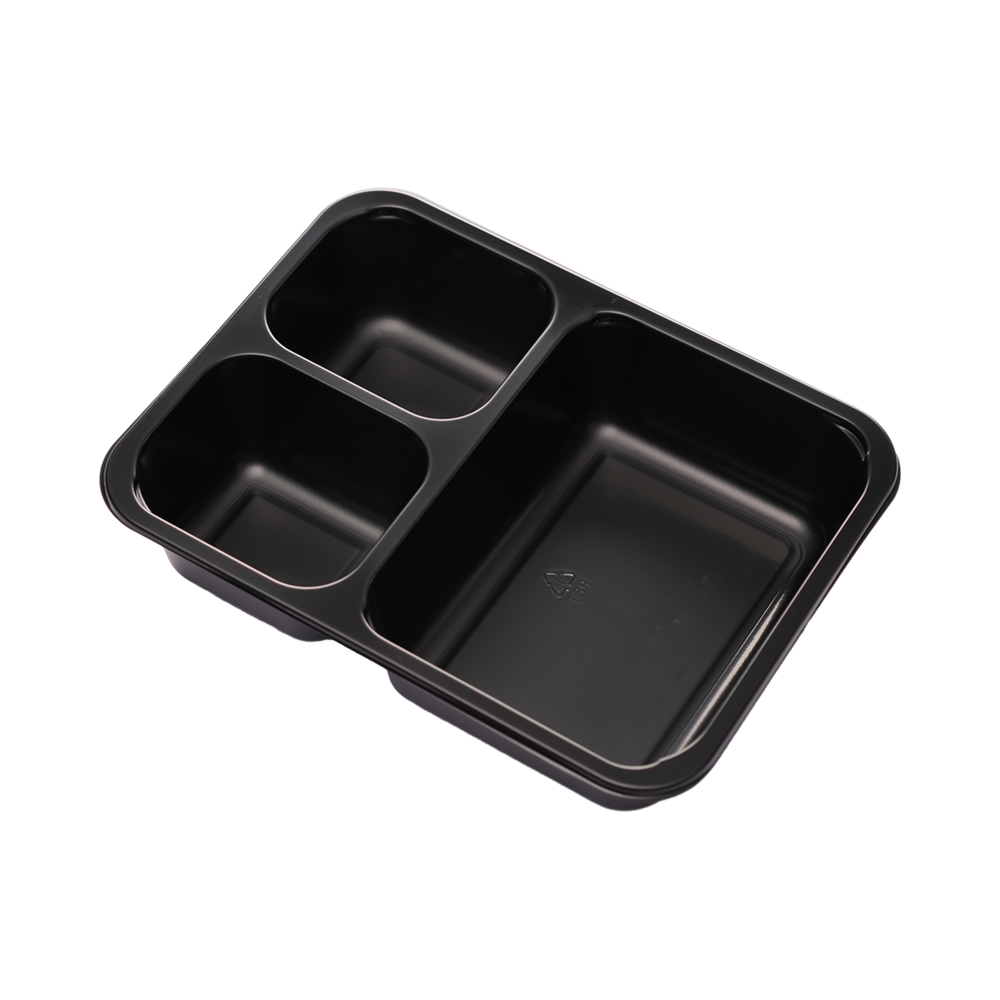
Understanding CPET Ovenable Trays
What is CPET?
CPET stands for Crystalline Polyethylene Terephthalate. It’s a type of plastic known for its strength and heat resistance. This makes it perfect for food packaging, especially in ovenable trays.
Properties of CPET
CPET has several unique properties:
● High Temperature Resistance: It can withstand temperatures up to 220°C (428°F).
● Durability: CPET trays are tough and resistant to breaking.
● Versatility: Suitable for both microwaves and conventional ovens.
These features make CPET a popular choice for manufacturers.
Comparison with Other Materials
Let’s see how CPET stacks up against other materials commonly used in food packaging:
Property | CPET | PP (Polypropylene) | Aluminum |
Heat Resistance | Up to 220°C | Up to 130°C | Up to 400°C |
Microwave Safe | Yes | Yes | No |
Recyclability | Yes | Yes | Yes |
Appearance | Glossy and appealing | Less glossy | Metallic look |
Durability | High | Moderate | High |
As you can see, CPET offers excellent heat resistance while being microwave-safe, unlike aluminum.
Why Choose CPET Ovenable Trays?
There are many reasons to consider CPET trays for your food packaging needs:
● Benefits of Using CPET Trays:
○ Safety: They are designed to handle high temperatures without releasing harmful substances.
○ Convenience: Perfect for both cooking and serving, making meal prep easier.
● Environmentally Friendly Aspects:
○ CPET trays are recyclable, contributing to waste reduction.
○ They are often made from recycled materials, promoting sustainability.
● Dual-Ovenability:
○ CPET trays can go from the freezer to the oven or microwave without any issues. This flexibility is a game-changer for consumers.
● Attractive Appearance:
○ CPET trays have a glossy finish, enhancing the visual appeal of the food inside. This can influence consumer purchasing decisions, making products more enticing.
Incorporating CPET ovenable trays into your food packaging not only improves functionality but also enhances the overall presentation.
The Manufacturing Process of CPET Ovenable Trays
Step 1 - Material Preparation
Sourcing and Processing CPET Resin
The first step in creating CPET oven trays is sourcing high-quality CPET resin. This material is essential for ensuring the trays perform well under heat. Manufacturers typically obtain CPET resin from trusted suppliers who adhere to strict industry standards.
Once sourced, the resin undergoes a series of processing steps:
● Drying: Moisture is removed to prevent defects during molding.
● Pelletizing: The resin is formed into small pellets, making it easier to handle and process.
These steps are critical for preparing the resin for the next phase of production.
Importance of Quality Control in Raw Materials
Quality control is vital throughout the manufacturing process. It begins right at the sourcing stage. Here’s why:
● Consistency: Ensures that each batch of resin meets specific standards.
● Defect Prevention: Identifies impurities or inconsistencies early, reducing waste.
● Performance Assurance: Guarantees that the final product will withstand high temperatures.
Regular testing and inspections help maintain high quality in CPET resin. This commitment to quality directly impacts the durability and safety of the final trays.
Discussion on the Crystallization Process
One of the key processes enhancing the performance of CPET trays is crystallization. This step involves heating the resin to a specific temperature and then cooling it down. Here’s how it works:
1. Heating: The resin is heated to allow the molecules to rearrange.
2. Controlled Cooling: Gradual cooling helps form a crystalline structure, which increases heat resistance.
Benefits of Crystallization:
● Improved Heat Resistance: Crystallized CPET can withstand higher temperatures without deforming.
● Enhanced Strength: The crystalline structure provides better mechanical properties, making the trays more durable.
In essence, crystallization transforms the resin into a robust material capable of handling the demands of cooking. This foundational step lays the groundwork for creating reliable and effective CPET oven trays.
Step 2 - Molding Process
Explanation of Injection Molding
The molding process is where CPET oven trays take shape, and it primarily relies on injection molding. This method involves injecting molten CPET resin into a pre-designed mold. Here’s how it works:
1. Heating the Resin: The CPET resin is heated until it becomes a liquid.
2. Injection: The liquid resin is injected into the mold under high pressure.
3. Cooling: After filling the mold, the resin cools and solidifies, forming the tray.
This process is efficient and allows for precise control over the tray's shape and thickness.
Single-Cavity vs. Multi-Cavity Trays
When it comes to mold design, manufacturers often choose between single-cavity and multi-cavity molds. Each has its pros and cons:
● Single-Cavity Molds:
○ Pros: Ideal for custom designs and small production runs.
○ Cons: Slower production speed, as only one tray is made at a time.
● Multi-Cavity Molds:
○ Pros: High efficiency, producing multiple trays in one cycle.
○ Cons: More complex design, requiring careful planning to ensure uniform quality.
The choice depends on production needs and desired output.
Overview of Mold Design Considerations for CPET Oven Trays
Mold design is critical in the production of CPET oven trays. Here are some key considerations:
● Thickness: Uniform thickness ensures even cooking and prevents warping.
● Shape: Designs must accommodate stacking and storage.
● Ejection Mechanism: Efficient ejection systems help remove trays from molds without damage.
These factors influence the overall performance and usability of the trays.
The Role of Advanced Technology in Achieving Consistent Quality
Advancements in technology have significantly improved the molding process. Here’s how:
● Precision Molding Equipment: Modern machines allow for tighter tolerances, resulting in better-fitting trays.
● Automated Quality Control: Sensors and cameras monitor the molding process, catching defects in real-time.
● Data Analytics: Analyzing production data helps optimize processes and maintain consistent quality.
These technologies ensure that every CPET oven tray produced meets high standards for safety and performance. By integrating advanced methods, manufacturers can deliver reliable products that consumers trust.
Step 3 - Cooling and Solidification
The Cooling Process and Its Significance
After the CPET resin is injected into the mold, the next crucial step is the cooling process. This phase is essential because it transforms the liquid resin into a solid tray. Here’s how it unfolds:
● Cooling Channels: Molds are designed with cooling channels to circulate water or air, efficiently lowering the temperature.
● Time Frame: The cooling duration can vary, typically lasting several minutes, depending on the thickness of the tray.
The cooling process not only solidifies the tray but also affects its final properties, such as strength and heat resistance.
Temperature Control and Its Impact on Tray Quality
Maintaining the right temperature during cooling is vital. Here are some key points about temperature control:
● Uniform Cooling: Uneven cooling can lead to warping or cracking. It’s crucial to ensure that all parts of the tray cool at the same rate.
● Quality Assurance: Consistent temperatures help achieve the desired mechanical properties, ensuring the trays perform well in ovens.
Using advanced temperature monitoring systems can help achieve precise control, leading to high-quality CPET oven trays.
Importance of Rapid Cooling in Maintaining Structural Integrity
Rapid cooling plays a significant role in preserving the structural integrity of CPET trays. Here’s why it matters:
● Minimizes Defects: Quick cooling reduces the risk of defects like sink marks or voids.
● Enhances Strength: Faster cooling helps lock in the crystalline structure formed during the molding process, boosting heat resistance.
In summary, rapid cooling is crucial for producing durable and reliable CPET oven trays. It ensures they can withstand high temperatures without compromising their shape or performance.
Step 4 - Finishing Touches
Post-Molding Processes
Once the CPET trays are molded and cooled, they undergo several post-molding processes to ensure they meet quality standards. These processes include:
● Trimming: Excess material from the edges is trimmed away. This step ensures a clean and precise finish.
● Surface Treatments: Various treatments are applied to enhance the trays' appearance and functionality. For instance, some trays may receive coatings to improve non-stick properties.
These finishing touches not only improve the look of the trays but also enhance their usability in kitchens.
Quality Inspection Methods
To guarantee durability and a polished appearance, manufacturers implement rigorous quality inspection methods. Here are some common techniques:
● Visual Inspection: Workers check each tray for imperfections, such as cracks or uneven surfaces.
● Dimensional Checks: Trays are measured to ensure they match specified dimensions. This ensures they fit properly in ovens and packaging.
● Stress Tests: Some trays undergo stress tests to evaluate their strength and heat resistance.
These inspections help maintain high standards for CPET oven trays, ensuring they perform well under various conditions.
Surface Treatments to Enhance Functionality
Enhancing the functionality of CPET oven trays often involves applying specific surface treatments. Here’s how these treatments work:
● Glossy Finish: A glossy finish not only makes the trays visually appealing but also helps in easy cleaning.
● Non-Stick Coatings: These coatings prevent food from sticking, making cooking and cleanup a breeze.
● Heat-Resistant Treatments: Some trays receive treatments to further improve their ability to withstand high temperatures.
By incorporating these treatments, manufacturers can produce CPET oven trays that are not only durable but also user-friendly, catering to the needs of home cooks and professional chefs alike.
Key Features of CPET Ovenable Trays
Temperature Resistance
CPET oven trays are designed to withstand extreme temperatures, making them ideal for various cooking applications. Here’s a closer look at their temperature resistance:
● Detailed Temperature Range: These trays can handle temperatures from -40°C to +220°C. This wide range allows them to be used in both frozen food storage and reheating in ovens.
● Applications:
○ Frozen Food Storage: Perfect for storing meals in the freezer without compromising quality.
○ Reheating: They heat evenly, ensuring food is warmed thoroughly and safely.
● Safety in High-Temperature Cooking: CPET trays remain stable and safe during high-temperature cooking and baking. They don’t warp or release harmful substances, making them a reliable choice for home cooks and professionals.
Durability and Quality
Durability is a key feature of CPET oven trays. Here’s why they stand out:
● Resistance to Breaking and Deformation: These trays are tough. They resist breaking and deformation, even when subjected to high heat or pressure.
● Importance of Structural Integrity: Maintaining structural integrity is crucial during transportation and heating. A sturdy tray ensures that food stays intact and fresh from production to plate.
● Comparison with Other Materials: When compared to alternatives like plastic or paper, CPET trays offer superior durability. They can handle more heat and pressure, making them a better choice for oven use.
Visual Appeal
The appearance of CPET trays plays a significant role in consumer perception. Here’s how:
● Glossy Finish: A glossy finish enhances the visual appeal. It not only looks attractive but also reflects quality, which consumers appreciate.
● Importance for Ready-Meals and Bakery Items: For ready-meals and bakery products, appearance is vital. A well-presented tray can make a product more enticing.
● Influence on Purchasing Decisions: Research shows that attractive packaging influences buying choices. Consumers are more likely to choose products that look appealing, making the visual aspect of CPET trays crucial for market success.
By combining temperature resistance, durability, and visual appeal, CPET oven trays meet the diverse needs of consumers, ensuring they are a popular choice in kitchens everywhere.
Comparing CPET Ovenable Trays with Other Packaging Options
CPET vs. PP Trays
When comparing CPET oven trays to PP (polypropylene) trays, several factors come into play:
● Flexibility:
○ PP Trays: More flexible, making them easier to handle but less sturdy.
○ CPET Trays: Rigid and strong, providing better structural integrity.
● Cost:
○ PP Trays: Generally cheaper to produce, making them a cost-effective option for many applications.
○ CPET Trays: Higher production costs, but they offer enhanced performance.
● Heat Resistance:
○ PP Trays: Suitable for low to moderate heat applications, typically up to about 120°C.
○ CPET Trays: Can withstand temperatures up to 220°C, ideal for oven use.
Best Use Cases
● PP Trays: Often used for cold food packaging, takeout containers, and items that don’t require heating.
● CPET Trays: Perfect for ready-meals, frozen foods, and any application needing high heat resistance.
Advantages of CPET Trays
● Rigidity and Resistance to Cracking: CPET trays maintain their shape under stress and resist cracking, making them reliable for transportation and cooking.
CPET vs. Aluminum Trays
Now, let’s look at how CPET trays stack up against aluminum trays:
● Weight:
○ Aluminum Trays: Lightweight and easy to handle, but can be flimsy.
○ CPET Trays: Heavier but sturdier, providing better support for food.
● Heat Conductivity:
○ Aluminum Trays: Excellent heat conductor, leading to even cooking.
○ CPET Trays: Good heat resistance but not as conductive as aluminum.
● Recyclability:
○ Aluminum Trays: Highly recyclable, making them an eco-friendly option.
○ CPET Trays: Also recyclable, but the recycling facilities may vary by region.
Reactions with Acidic Foods
● Aluminum Trays: Can react with acidic foods, leading to a metallic taste or discoloration.
● CPET Trays: Non-reactive, making them safe for all types of food, including acidic items.
Advantages of CPET Trays in Microwave Applications
● Microwave Safety: CPET trays can safely be used in microwaves, unlike aluminum trays, which can spark and cause damage.
By comparing CPET oven trays with PP and aluminum options, it becomes clear that each type has unique strengths. However, CPET trays stand out for their durability, heat resistance, and versatility in cooking applications.
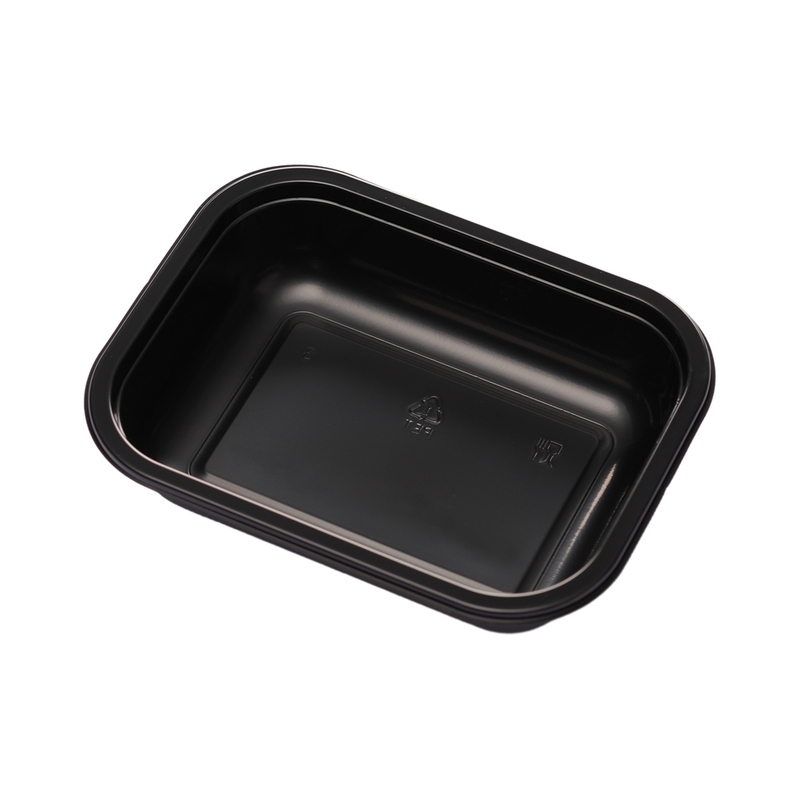
Environmental Impact of CPET Ovenable Trays
Sustainability of CPET Materials
CPET oven trays are gaining attention for their sustainability. Here’s a closer look at their environmental impact:
● Recyclability of CPET Trays:
CPET trays are recyclable, which helps reduce waste. Many facilities accept them, but availability can vary by location. This recyclability means less plastic ends up in landfills.
● Role in Reducing Food Packaging Waste:
By using CPET trays, we can minimize food packaging waste. Their durability allows for multiple uses, and they are designed for optimal performance, which reduces the need for excess packaging.
● Comparison with Other Packaging Materials:
Compared to materials like plastic and Styrofoam, CPET has a lower environmental impact. It’s made from PET, which is widely recycled and has a smaller carbon footprint.
Industry Trends in Eco-Friendly Packaging
The push for sustainable packaging is on the rise. Here are some notable trends:
● Growing Demand for Sustainable Solutions:
Consumers are increasingly seeking eco-friendly options. Brands that offer sustainable packaging, like CPET trays, are more likely to attract environmentally conscious buyers.
● Innovations in CPET Technology:
The industry is seeing advancements in CPET technology. New manufacturing processes aim to enhance recyclability and reduce energy consumption during production.
● Future Prospects:
As the demand for sustainable packaging grows, CPET trays are expected to play a significant role. Their ability to withstand high temperatures while being eco-friendly makes them a strong choice for the future.
Shifting Consumer Preferences:
More consumers are prioritizing eco-friendly options. Brands that respond to this shift by using sustainable materials can improve their market position and appeal.
Summary of Benefits
Feature | CPET Trays | Other Materials |
Recyclability | Yes | Varies (often limited) |
Waste Reduction | High | Moderate to low |
Environmental Impact | Lower | Higher (e.g., Styrofoam) |
Consumer Preference | Growing | Declining |
By choosing CPET oven trays, we contribute to a more sustainable future. Their recyclability and reduced waste make them an excellent option for eco-conscious consumers and businesses alike.
Conclusion
In summary, CPET oven trays are made through an efficient manufacturing process that ensures durability and heat resistance. Their recyclability and role in reducing food packaging waste highlight their environmental benefits.
Consider using CPET trays for your food packaging needs. They offer numerous advantages over traditional materials.
We invite you to share your thoughts or experiences with CPET trays in the comments below!

 English
 العربية
 Français
 Русский
 Español
 Português
 Deutsch
 italiano
 日本語
日本語 한국어
한국어 Nederlands
 Tiếng Việt
 ไทย
ไทย Polski
 Türkçe
 አማርኛ
አማርኛ ພາສາລາວ
 ភាសាខ្មែរ
 Bahasa Melayu
 ဗမာစာ
ဗမာစာ தமிழ்
தமிழ் Filipino
 Bahasa Indonesia
 magyar
 Română
 Čeština
 Монгол
 қазақ
қазақ Српски
 हिन्दी
 فارسی
فارسی Slovenčina
 Slovenščina
 Norsk
Norsk Svenska
 українська
 Ελληνικά
 Suomi
Suomi Հայերեն
 עברית
עברית Latine
 Dansk
Dansk اردو
اردو Shqip
Shqip Hrvatski
 Aymara
 guarani
 Chichewa
 Runasimi
 Sesotho
 Soomaali


