Have you ever wondered what keeps your meat fresh? Meat trays play a crucial role in food packaging. They not only preserve quality but also ensure safety.
In this article, we’ll explore the materials used for meat trays. You’ll learn about their benefits and environmental impacts. Understanding these materials is essential for both consumers and producers.
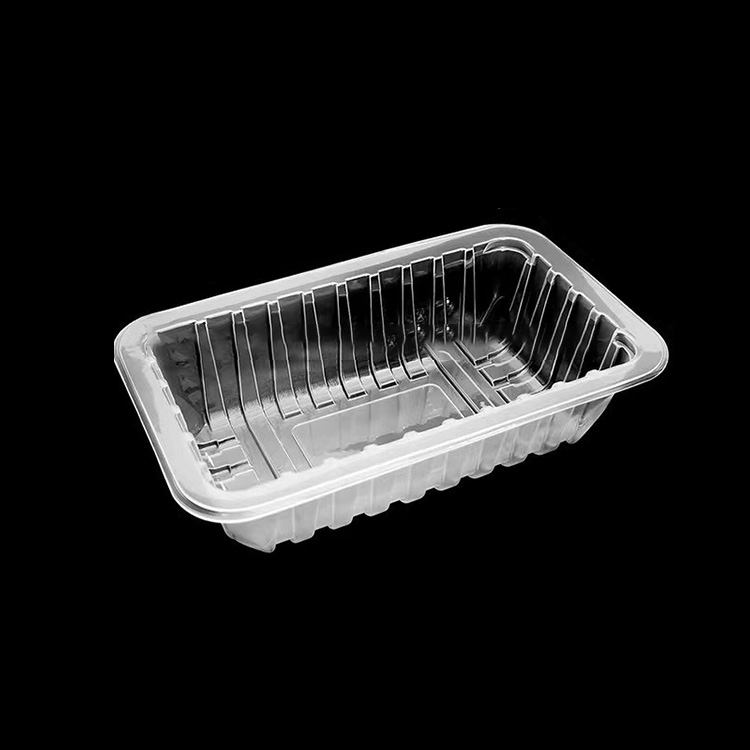
What Material Are Meat Trays Made Of?
Definition of Meat Trays
Meat trays are specialized containers designed to hold and display various types of meat. They come in different shapes and sizes, tailored to fit specific cuts of meat, such as steaks, chicken breasts, or ground beef.
These trays are typically made from materials that ensure safety and hygiene. The right material helps prevent contamination and keeps the meat fresh for longer periods.
Common Uses of Meat Trays in the Food Industry
Meat trays serve multiple purposes in the food industry. Here are some common uses:
● Retail Display: They are often used in grocery stores and butcher shops to showcase meat products. The clear design allows customers to see the quality of the meat.
● Transportation: Meat trays are essential for transporting meat from processing plants to retailers. They protect the product during shipping and handling.
● Food Service: Restaurants and catering services use meat trays for portioning and serving. They help maintain organization in the kitchen.
Use Case | Description |
Retail Display | Showcases meat products for consumers |
Transportation | Protects meat during shipping |
Food Service | Organizes and serves meat in restaurants |
Importance of Packaging in Preserving Meat Quality
Packaging plays a vital role in maintaining the quality of meat. Here are some key points:
● Freshness: Proper packaging helps keep meat fresh by minimizing exposure to air and moisture. This reduces spoilage and extends shelf life.
● Safety: Good packaging prevents contamination from bacteria and other harmful substances. It ensures that the meat remains safe for consumption.
● Convenience: Well-designed meat trays make it easy for consumers to handle and store meat. They often come with seals that enhance freshness.
● Visual Appeal: Attractive packaging can influence purchasing decisions. Clear trays allow consumers to inspect the meat, which can boost sales.
In summary, the materials used for meat trays are crucial for their effectiveness in the food industry. They not only protect and preserve meat but also enhance its presentation and safety.
Common Materials Used in Meat Trays
Polypropylene (PP)
What is Polypropylene?
Polypropylene, commonly known as PP, is a versatile plastic widely used in various applications. It is a thermoplastic polymer, meaning it becomes moldable when heated and solidifies upon cooling. This property makes it ideal for manufacturing meat trays.
Description of PP and Its Properties
PP is known for its lightweight yet durable nature. Here are some key properties:
● Chemical Resistance: It resists many chemicals, making it safe for food contact.
● Low Moisture Absorption: This helps maintain the quality of the meat.
● High Melting Point: It can withstand higher temperatures, which is beneficial during processing.
Advantages of PP Meat Trays
PP meat trays offer several advantages, making them a popular choice in the food industry:
● Oxygen and Moisture Barrier Properties: They effectively limit oxygen and moisture exposure. This helps keep meat fresh for longer periods, reducing spoilage.
● Durability and Safety for Food Contact: PP trays are sturdy and can handle the weight of various meat products. They meet safety standards for food packaging, ensuring consumer protection.
● Recyclability and Sustainability Aspects: PP is recyclable, which is a significant plus for environmentally-conscious consumers. Many facilities accept PP for recycling, contributing to sustainability efforts.
● Integration of Recycled Content: Some manufacturers incorporate recycled materials into their PP trays. This reduces plastic waste and promotes a circular economy. Compliance with recycling labels helps consumers make informed choices.
Design Features
PP meat trays come in various designs, enhancing their functionality:
● Variations in Colors, Sizes, and Configurations: They can be produced in multiple colors and sizes. This allows retailers to choose trays that suit their branding and product display needs.
● Three-Layer Structure: Many PP trays feature a three-layer design. The top and bottom layers are made of PP, while the middle layer often contains calcium carbonate. This structure offers several benefits:
○ Improved Strength: The three layers enhance the durability of the tray.
○ Better Insulation: This design helps maintain temperature, keeping meat fresh longer.
○ Cost-Effectiveness: Using a combination of materials can lower production costs while maintaining quality.
Feature | Description |
Chemical Resistance | Safe for food contact |
Low Moisture Absorption | Helps maintain meat quality |
High Melting Point | Suitable for high-temperature processing |
Three-Layer Structure | Increases strength and insulation |
PP meat trays are a reliable choice in the food industry. Their properties and design features offer numerous benefits for both producers and consumers.
Polystyrene Foam
What is Polystyrene Foam?
Polystyrene foam, often referred to as Styrofoam, is a lightweight, rigid material made from polystyrene, a type of plastic. It is commonly used in various applications due to its excellent insulation properties and cost-effectiveness. In the context of meat trays, polystyrene foam provides a reliable option for packaging and transporting meat products.
Characteristics of Polystyrene Foam
Polystyrene foam has several notable characteristics:
● Lightweight: Its low density makes it easy to handle and transport.
● Insulating Properties: It effectively retains temperature, keeping meat products fresh.
● Moisture Resistance: This prevents water absorption, which is crucial for maintaining meat quality.
● Versatile: It can be molded into various shapes and sizes, making it suitable for different meat cuts.
Benefits of Using Polystyrene Foam for Meat Trays
Using polystyrene foam for meat trays comes with multiple advantages:
● Insulation Properties and Cost-Effectiveness: The foam's insulating nature helps maintain the desired temperature for meat, reducing spoilage. Additionally, it is often more affordable than other materials, making it a budget-friendly option for retailers.
● Common Applications in Retail Environments: You’ll find polystyrene foam trays in grocery stores and butcher shops. They are ideal for displaying meat products, ensuring they remain fresh and appealing to customers.
Benefit | Description |
Insulation Properties | Keeps meat at optimal temperatures |
Cost-Effectiveness | More affordable than many other packaging options |
Retail Applications | Widely used in grocery stores and butcher shops |
Drawbacks
While polystyrene foam has several benefits, it also has some drawbacks:
● Environmental Concerns: One of the biggest issues is its environmental impact. Polystyrene foam is not biodegradable and can persist in the environment for hundreds of years.
● Recyclability Issues: Although some recycling programs accept polystyrene foam, it is not widely recyclable. Many facilities do not have the capacity to process it, leading to increased waste in landfills.
In summary, while polystyrene foam is a popular choice for meat trays due to its insulation and cost-effectiveness, it faces significant environmental challenges that need to be addressed.
Polyethylene Terephthalate (PET)
What is PET?
Polyethylene terephthalate, commonly known as PET, is a type of plastic widely used in packaging. It’s known for its strength, lightweight nature, and excellent barrier properties. These qualities make PET a popular choice for meat trays, ensuring that products remain fresh and appealing.
Explanation of PET and Its Properties
PET is a thermoplastic polymer, which means it can be molded and remolded when heated. Here are some key properties of PET:
● High Strength: PET is strong and resistant to impact, making it ideal for meat packaging.
● Barrier Properties: It effectively prevents moisture and oxygen from entering, which helps keep meat fresh.
● Lightweight: This characteristic makes it easy to handle and transport.
Property | Description |
High Strength | Durable and impact-resistant |
Barrier Properties | Limits moisture and oxygen exposure |
Lightweight | Easy to transport and handle |
Advantages of PET Meat Trays
Using PET for meat trays offers numerous benefits:
● Transparency and Visual Appeal: One of the standout features of PET is its clarity. The transparent nature of PET trays allows consumers to see the meat inside, enhancing visual appeal. This transparency can help showcase the freshness and quality of the meat.
● Full Recyclability and Sustainability: PET is fully recyclable, which is a significant advantage in today’s environmentally conscious market. Many recycling programs accept PET, allowing consumers to dispose of trays responsibly. This contributes to sustainability efforts and reduces plastic waste.
Common Uses
PET meat trays are commonly used in various settings:
● Packaging for Premium Meat Products: Many retailers choose PET trays for high-quality meat products. The strength and barrier properties help maintain freshness, making them ideal for premium offerings.
● Enhancement of Product Attractiveness on Shelves: The visual appeal of PET trays can attract consumers. Retailers benefit from using these trays as they enhance the overall presentation of meat products, encouraging purchases.
Common Use | Description |
Packaging for Premium Meat | Ideal for high-quality meat products |
Product Attractiveness | Enhances shelf appeal, encouraging consumer interest |
PET meat trays are a fantastic option for packaging. Their properties not only help maintain meat quality but also contribute to an attractive presentation that appeals to shoppers.
Biodegradable Materials
What Are Biodegradable Materials?
Biodegradable materials are substances that can break down naturally in the environment. They decompose into non-toxic components, making them a more sustainable choice compared to traditional plastics. Two popular types of biodegradable materials used for meat trays are polylactic acid (PLA) and sugarcane pulp.
● PLA: Made from fermented plant starch, usually corn, PLA is a popular biodegradable plastic. It’s known for its strength and clarity, making it suitable for packaging.
● Sugarcane Pulp: This material comes from the fibrous residue left after extracting sugar from sugarcane. It’s sturdy and compostable, making it another excellent option for meat trays.
Material | Description |
PLA | Biodegradable plastic made from plant starch |
Sugarcane Pulp | Compostable material derived from sugarcane residue |
Benefits of Biodegradable Meat Trays
Choosing biodegradable materials for meat trays has several advantages:
● Environmental Impact and Consumer Appeal: With growing awareness of environmental issues, consumers are increasingly drawn to eco-friendly products. Biodegradable meat trays help reduce plastic waste, appealing to environmentally conscious shoppers.
● Compostability and Reduction of Environmental Footprint: Many biodegradable trays can be composted at home or in industrial facilities. This process returns nutrients to the soil, reducing the overall environmental footprint of meat packaging.
Benefit | Description |
Environmental Appeal | Attracts eco-conscious consumers |
Compostability | Can be composted, enriching soil |
Challenges
Despite their benefits, biodegradable meat trays face some challenges:
● Cost Considerations and Availability: Biodegradable materials often come at a higher price than traditional plastics. This can be a barrier for some retailers, limiting availability in certain markets.
● Performance Compared to Traditional Materials: While biodegradable trays are effective, they may not always match the durability and barrier properties of conventional materials. This can affect their suitability for all types of meat products.
Challenge | Description |
Cost | Higher prices limit accessibility |
Performance | May not match traditional materials' effectiveness |
Biodegradable materials represent a promising shift in meat packaging. They offer environmental benefits while also meeting consumer demand for sustainable options. However, addressing cost and performance issues remains crucial for wider adoption.
Comparing Meat Tray Materials
Factors to Consider When Choosing Materials
When selecting materials for meat trays, several factors come into play. Understanding these factors helps ensure the best choice for both consumers and retailers.
● Cost vs. Performance: Price is always a consideration. While some materials like polypropylene (PP) may be cheaper, they might not offer the same performance as more expensive options like PET. Balancing cost and functionality is crucial.
● Environmental Impact and Recyclability: Today, many consumers prioritize sustainability. Materials like biodegradable options and PET are often favored for their recyclability. Understanding the environmental footprint of each material can influence purchasing decisions.
Summary of Pros and Cons for Each Material
Here’s a quick reference table summarizing the pros and cons of various meat tray materials:
Material | Pros | Cons |
Polypropylene (PP) | Affordable, strong, resistant to moisture | Less eco-friendly, limited recyclability |
Polystyrene Foam | Lightweight, good insulation | Difficult to recycle, not biodegradable |
PET | Transparent, fully recyclable, strong barrier | Higher cost compared to PP |
Biodegradable Materials | Eco-friendly, compostable, appealing to consumers | Higher cost, may not perform as well |
Quick Reference Table Comparing Materials
Material | Cost | Environmental Impact | Performance |
Polypropylene (PP) | Low | Moderate | Good |
Polystyrene Foam | Low | Poor | Fair |
PET | Moderate | Good | Excellent |
Biodegradable Materials | High | Excellent | Good |
Choosing the right material for meat trays involves careful consideration of cost, performance, and environmental impact. Each option has its strengths and weaknesses, so it’s essential to weigh these factors based on specific needs.
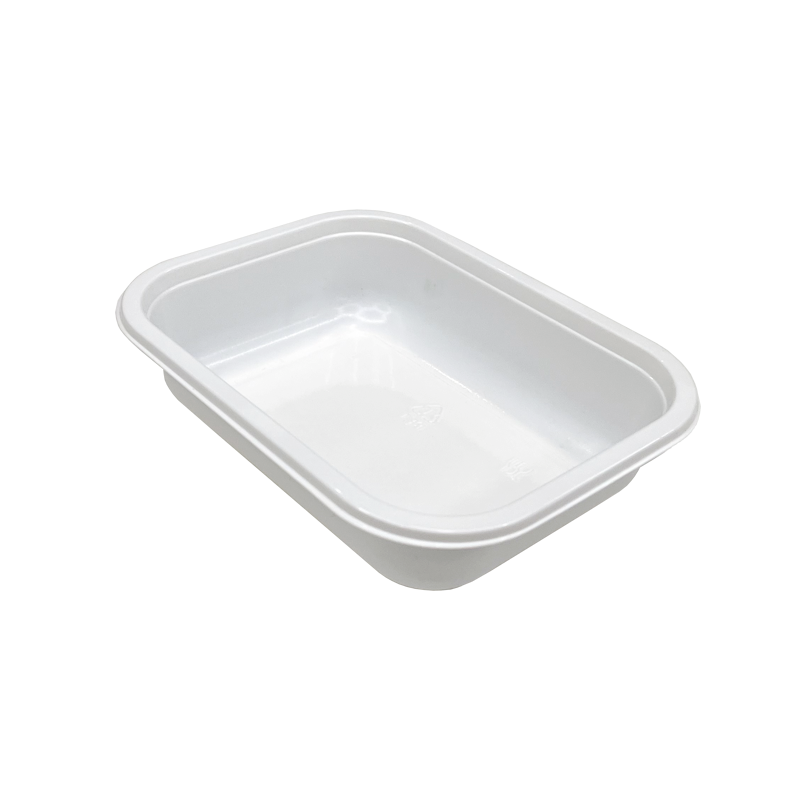
The Future of Meat Tray Materials
Trends in Sustainable Packaging
The landscape of meat packaging is changing rapidly. Here are some key trends shaping the future of meat tray materials:
● Growing Demand for Eco-Friendly Options: More consumers are seeking products that minimize environmental impact. This shift is pushing manufacturers to explore sustainable alternatives.
● Consumer Preferences Shifting Towards Sustainable Materials: People are increasingly willing to pay more for eco-friendly packaging. Brands that prioritize sustainability often enjoy better customer loyalty.
Innovations in Meat Tray Materials
Innovation is at the forefront of developing new meat tray materials. Here are some exciting advancements:
● Research and Development in New Materials: Scientists and companies are experimenting with various biodegradable and recyclable materials. These innovations aim to enhance performance while reducing environmental impact.
● Potential for Combining Different Materials for Enhanced Performance: Hybrid materials could offer the best of both worlds. For instance, combining biodegradable plastics with traditional materials might improve durability while maintaining eco-friendliness.
Innovation Type | Description |
New Materials | Focus on biodegradable and recyclable options |
Hybrid Materials | Combining materials for better performance |
Consumer Awareness and Preferences
Consumer awareness plays a significant role in shaping the future of meat tray materials:
● Impact of Consumer Choices on Packaging Decisions: As consumers become more informed about environmental issues, their choices directly influence manufacturers. Brands must adapt to meet these evolving preferences.
● Importance of Transparency: Consumers appreciate brands that are open about their packaging practices. This transparency can enhance trust and encourage more sustainable purchasing decisions.
Factor | Description |
Consumer Choices | Drive demand for sustainable options |
Transparency | Builds trust and encourages eco-friendly purchases |
The future of meat tray materials looks promising. With a focus on sustainability and innovation, the industry is moving towards more responsible packaging solutions. As consumer preferences evolve, manufacturers will need to adapt to stay competitive.
Conclusion
Understanding meat tray materials is crucial for consumers and retailers alike.
Choosing the right material balances functionality, sustainability, and cost.
As awareness grows, consumers can make informed decisions about packaging.
We encourage readers to consider the materials used in their meat packaging choices.You can choose the sample you need to see if it is suitable for your company.
FAQs About Meat Trays
Q: What are the most common materials used for meat trays?
A: The most common materials include polypropylene (PP), polystyrene foam, PET, and biodegradable options.
Q: Are meat trays made from recyclable materials?
A: Yes, some meat trays, particularly those made from PET, are recyclable.
Q: How do I know if a meat tray is safe for food contact?
A: Look for trays labeled as food-safe or compliant with food safety standards.
Q: What should I look for when choosing meat trays for my business?
A: Consider factors like material type, cost, performance, and environmental impact.
Q: Are biodegradable meat trays as effective as traditional materials?
A: Biodegradable trays can be effective but may not match the durability of traditional materials.

 English
 العربية
 Français
 Русский
 Español
 Português
 Deutsch
 italiano
 日本語
日本語 한국어
한국어 Nederlands
 Tiếng Việt
 ไทย
ไทย Polski
 Türkçe
 አማርኛ
አማርኛ ພາສາລາວ
 ភាសាខ្មែរ
 Bahasa Melayu
 ဗမာစာ
ဗမာစာ தமிழ்
தமிழ் Filipino
 Bahasa Indonesia
 magyar
 Română
 Čeština
 Монгол
 қазақ
қазақ Српски
 हिन्दी
 فارسی
فارسی Slovenčina
 Slovenščina
 Norsk
Norsk Svenska
 українська
 Ελληνικά
 Suomi
Suomi Հայերեն
 עברית
עברית Latine
 Dansk
Dansk اردو
اردو Shqip
Shqip Hrvatski
 Aymara
 guarani
 Chichewa
 Runasimi
 Sesotho
 Soomaali


