Are you aware that millions of tons of plastic waste pollute our planet each year? The need for eco food packaging has never been more urgent. As concerns about traditional plastic containers grow, many wonder: What is the most environmentally friendly food container?
In this article, we’ll explore various eco-friendly options and their benefits, helping you make informed choices for a sustainable future.
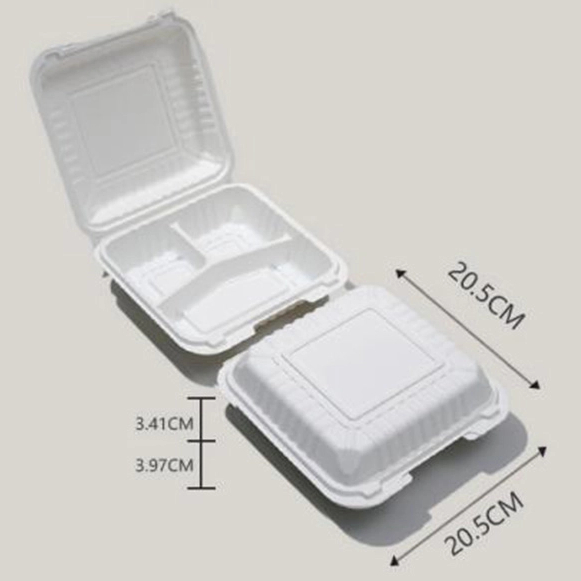
Understanding Eco Food Packaging
Definition of Eco Food Packaging
Eco food packaging refers to materials designed to minimize environmental impact. These materials can be biodegradable, compostable, or recyclable. Unlike conventional plastic, eco-friendly options break down naturally or can be reused. This makes them a crucial part of sustainable practices in food storage and transport.
Importance of Sustainability in Food Packaging
Sustainability in food packaging is vital for several reasons:
● Reducing Waste: Eco food packaging helps decrease the amount of waste in landfills.
● Conserving Resources: Sustainable materials often use less energy and water in production.
● Protecting Ecosystems: Using biodegradable materials reduces pollution and protects wildlife.
By prioritizing sustainability, we contribute to a healthier planet. It’s a simple choice that can make a big difference.
Overview of the Environmental Impact of Traditional Food Containers
Traditional food containers, especially those made from plastic, have significant environmental consequences. Here’s a quick overview:
Impact | Details |
Plastic Pollution | Millions of tons end up in oceans, harming marine life. |
Resource Depletion | Production relies on fossil fuels, contributing to climate change. |
Non-biodegradable | Plastic can take hundreds of years to decompose. |
The negative effects of these materials highlight the need for eco-friendly alternatives. As consumers become more aware, the demand for sustainable options grows.
Choosing eco food packaging isn't just a trend; it's a necessary step towards a more sustainable future. By understanding these concepts, we can make better choices for our environment.
Types of Environmentally Friendly Food Containers
Compostable Containers
What Are Compostable Containers?
Compostable containers are designed to break down into natural elements in a compost environment. Unlike traditional plastics, they decompose, returning nutrients to the soil. This makes them a fantastic choice for eco-conscious consumers.
Examples of Materials
Several materials are commonly used to create compostable containers:
● Plant-Based Bioplastics: These include polylactic acid (PLA), made from corn starch or sugarcane.
● Bagasse: A byproduct of sugarcane processing, it's sturdy and 100% compostable.
● Palm Leaves: Used to create lightweight, biodegradable plates and bowls.
Each of these materials serves as a sustainable alternative to conventional plastics.
Benefits of Compostable Containers
Compostable containers offer numerous advantages:
● Biodegradability Certification: Many come with certifications like BPI (Biodegradable Products Institute), ensuring they break down properly.
● Reduced Environmental Impact: They help lower landfill waste and pollution.
● Soil Enrichment: When composted, they contribute nutrients back into the earth.
Here’s a quick look at the benefits:
Benefit | Details |
Eco-Friendly | Decomposes naturally, reducing waste. |
Versatile | Suitable for various food types. |
Nutrient-Rich | Enhances soil quality when composted. |
Ideal Uses for Compostable Containers
Compostable containers are perfect for a variety of foods. Here are some ideal uses:
● Soups and Curries: Their moisture-resistant properties make them great for hot liquids.
● Ice Cream: They can hold frozen treats without leaking.
● Salads: Perfect for takeout, keeping greens fresh and crisp.
These containers not only support our health but also protect the environment. By choosing compostable options, we can enjoy our food without guilt.
Bagasse Containers
Definition and Origin of Bagasse
Bagasse is the fibrous residue left after sugarcane juice is extracted. This byproduct is often discarded, but it has found a new life as an eco-friendly material for food containers. Originating from sugarcane production, bagasse is renewable and sustainable, making it an excellent choice for eco food packaging.
Benefits of Using Bagasse Containers
Bagasse containers come with several impressive benefits:
● 100% Compostable: They break down naturally, enriching the soil and reducing landfill waste.
● Grease and Leak Resistant: Bagasse containers can handle wet and oily foods without leaking, making them practical for various applications.
● Durable and Sturdy: They are strong enough to hold heavy meals without bending or breaking.
Here’s a quick overview of the benefits:
Benefit | Details |
Eco-Friendly | Naturally compostable, minimizing waste. |
Functional | Resistant to grease and leaks, ideal for messy foods. |
Sustainable | Made from a renewable resource, reducing reliance on plastics. |
Comparison with Traditional Plastic Containers
When comparing bagasse containers to traditional plastic options, the differences are clear.
Aspect | Bagasse Containers | Traditional Plastic Containers |
Compostability | 100% compostable | Non-biodegradable |
Environmental Impact | Low, made from renewable sources | High, contributes to pollution |
Resistance | Grease and leak resistant | Often not suitable for wet foods |
Suitable Food Applications for Bagasse Containers
Bagasse containers are versatile and can be used for various food types, especially:
● Wet Foods: Perfect for soups and stews, as they won’t leak.
● Greasy Foods: Great for items like fried chicken or curries.
● Takeout Meals: Ideal for salads, pasta, and more.
These containers provide a practical solution for both consumers and businesses looking to reduce their environmental footprint. By choosing bagasse, we support sustainable practices while enjoying our meals.
Cornstarch-Based Containers
What Are Cornstarch-Based Containers?
Cornstarch-based containers are made from the starch derived from corn. This biodegradable material is gaining popularity in the eco food packaging industry. They are designed to provide a sustainable alternative to traditional plastic containers, allowing for a greener choice when it comes to food storage and serving.
Advantages and Disadvantages
Cornstarch containers come with their own set of pros and cons:
Advantages:
● Non-Stick Properties: Foods tend to release easily from these containers, making cleanup a breeze.
● Microwave Safe: They can be safely used in microwaves, perfect for reheating meals.
● Biodegradable: Break down naturally in composting environments, reducing waste.
Disadvantages:
● Durability: While they hold up well, they may not be as sturdy as some plastic options, especially for heavy items.
● Moisture Sensitivity: They can become less effective when exposed to high humidity for extended periods.
Common Uses for Cornstarch Containers
These containers are versatile and can be used for various food applications. Here are some popular uses:
● Fried Chicken: Ideal for takeout, as they handle greasy foods well.
● Burgers: Great for holding juicy burgers without leaking.
● Salads: Perfect for fresh salads, keeping them crisp and intact.
Environmental Benefits Compared to Plastic Options
When we look at the environmental impact, cornstarch containers shine brightly against plastic alternatives:
Aspect | Cornstarch Containers | Plastic Containers |
Biodegradability | Fully biodegradable in composting conditions | Non-biodegradable; contributes to landfill waste |
Renewable Resources | Made from renewable corn starch | Derived from fossil fuels |
Carbon Footprint | Lower emissions during production | Higher emissions due to petroleum extraction |
By choosing cornstarch-based containers, we can enjoy our meals while making a positive impact on the environment. They represent a step toward more sustainable food packaging solutions.
Recyclable Paper and Cardboard Containers
Overview of Paper and Cardboard as Eco Food Packaging
Paper and cardboard are increasingly popular choices in the eco food packaging realm. Made from renewable resources, they offer a sustainable alternative to plastic containers. Their biodegradable nature makes them an excellent option for those looking to reduce their environmental footprint. Plus, they can be easily recycled, further minimizing waste.
Types of Recyclable Containers Available
There are several types of recyclable paper and cardboard containers on the market today:
● Kraft Paper Food Containers: Known for their strength and durability, these containers are perfect for hot and cold foods.
● Cardboard Takeout Boxes: Commonly used for takeout meals, they are sturdy and versatile.
● Paper Bags: Ideal for carrying snacks and smaller food items, they are lightweight yet strong.
Here’s a quick comparison of some common types:
Container Type | Best For | Features |
Kraft Paper Containers | Hot and cold foods | Leak-resistant, durable |
Cardboard Boxes | Takeout meals | Sturdy, versatile |
Paper Bags | Snacks and smaller items | Lightweight, easy to carry |
Benefits of Using Paper and Cardboard Containers
Using paper and cardboard containers comes with several advantages:
● Leak and Grease Resistance: Many of these containers are treated to resist leaks and grease, making them suitable for a variety of foods.
● Lightweight and Portable: They are easy to handle and transport, perfect for takeout and delivery.
● Customizable: Brands can easily print their logos and designs on paper containers, enhancing marketing efforts.
Recycling Processes and Their Importance
The recycling process for paper and cardboard is crucial for sustainability. Here’s how it generally works:
1. Collection: Used containers are collected from recycling bins.
2. Sorting: They are sorted at recycling facilities to remove contaminants.
3. Pulping: The clean paper is mixed with water and chemicals to break it down into pulp.
4. Reforming: The pulp is then formed into new paper products.
This cycle is vital for reducing waste and conserving resources. By recycling, we can save trees, reduce energy consumption, and lower greenhouse gas emissions.
Incorporating recyclable paper and cardboard containers into our lives is a simple step toward a greener future.
Stainless Steel Containers
Benefits of Stainless Steel as a Food Container Material
Stainless steel is an excellent choice for food containers, and here’s why:
● Durability: It’s incredibly strong and resistant to dents and scratches, making it last for years.
● Non-Leaching Properties: Unlike some materials, stainless steel doesn’t leach harmful chemicals into food, ensuring safety.
These features make stainless steel a top contender in the eco food packaging category.
Comparison with Plastic
When we compare stainless steel to plastic, several key differences stand out:
Aspect | Stainless Steel | Plastic |
Safety | Non-toxic, no leaching | Can leach chemicals, especially when heated |
Longevity | Lasts for decades | Typically lasts a few years |
It’s clear that stainless steel offers a safer and more durable option for food storage.
Long-Term Use and Recyclability
Stainless steel containers are designed for long-term use. They can withstand high temperatures and resist corrosion, making them ideal for various conditions. When they finally reach the end of their life, they are 100% recyclable. This means they can be melted down and repurposed into new products, reducing waste significantly.
Common Applications for Stainless Steel Containers
These containers are versatile and can be used in many ways:
● Lunch Packing: Perfect for school or work lunches, keeping food fresh and secure.
● Meal Prep: Great for preparing and storing meals in advance.
● Outdoor Activities: Ideal for camping and picnics due to their durability.
Here’s a quick list of popular uses:
● Bento Boxes for balanced meals.
● Water Bottles to stay hydrated.
● Food Storage for leftovers.
Stainless steel containers not only serve practical purposes but also contribute to a more sustainable lifestyle.
Reusable Glass Containers
Advantages of Glass Food Containers
Glass food containers stand out in the eco food packaging world. They offer several key benefits:
● Chemical-Free: Glass is naturally free of harmful chemicals, making it safe for food storage.
● Highly Recyclable: When glass containers reach the end of their life, they can be recycled indefinitely without losing quality.
These features contribute to a safer environment and healthier food options.
Safety and Health Benefits of Using Glass
Using glass containers comes with notable health advantages:
● Non-Leaching Properties: Glass doesn’t leach chemicals into food, unlike some plastic options. This ensures your meals stay pure and uncontaminated.
● Odor and Stain Resistant: Glass doesn’t absorb odors or stains, keeping your food fresh and flavorful.
This makes glass an excellent choice for health-conscious consumers.
Versatility in Food Storage
Glass containers are incredibly versatile. They can be used in various cooking and storage scenarios:
● Microwave Safe: Most glass containers can safely be used in the microwave, allowing for easy reheating.
● Oven Safe: Many glass containers are oven-safe, making them suitable for baking.
Here’s a quick list of uses:
Use Case | Benefit |
Meal Prep | Prepare meals in advance |
Storage | Store leftovers without odor retention |
Freezing | Safe for freezing without cracking |
Challenges of Using Glass Containers
While glass containers have many advantages, they also present some challenges:
● Weight: Glass containers can be heavier than plastic, making them less convenient for travel.
● Breakability: They are more prone to breaking if dropped, requiring careful handling.
Despite these challenges, many people find that the benefits outweigh the drawbacks.
Overall, reusable glass containers are a fantastic option for anyone looking to adopt eco-friendly food storage practices.
Bamboo Containers
Introduction to Bamboo as a Sustainable Resource
Bamboo is often hailed as one of the most sustainable resources available. It grows rapidly, reaching maturity in just a few years. Here are some key points about bamboo:
● Renewable: It can be harvested without killing the plant, allowing for continuous growth.
● Carbon Sequestration: Bamboo absorbs more carbon dioxide than trees, helping combat climate change.
This makes bamboo an excellent choice for eco food packaging.
Benefits of Bamboo Containers
Bamboo containers come with several appealing features:
● Lightweight Design: They are easy to carry, making them perfect for on-the-go meals or snacks.
● Natural Aesthetics: The unique look of bamboo adds a touch of elegance to your kitchen or dining table.
Key Advantages:
Feature | Benefit |
Eco-Friendly | Biodegradable and compostable |
Durable | Strong enough for everyday use |
Thermal Insulation | Keeps food warm longer than some materials |
These benefits make bamboo containers a stylish and practical option.
Limitations and Best Uses for Bamboo Containers
While bamboo containers are fantastic, they do have limitations. They are best suited for specific uses:
● Dry Foods: Ideal for storing items like grains, nuts, and snacks. They help maintain freshness.
● Not for Liquids: Bamboo is not waterproof, so using it for liquids can lead to leaks.
Here’s a quick list of best uses:
● Snack Storage: Perfect for trail mix or dried fruit.
● Lunch Packing: Great for sandwiches or salads.
● Decorative Bowls: Use them for fruit displays or as serving dishes.
Understanding these limitations helps you make the most of bamboo containers in your kitchen.
Comparing Eco Food Packaging Options
Environmental Impact
When we think about eco food packaging, the environmental impact is crucial. Let's break it down:
● Carbon Footprint: Different materials have varying carbon footprints. For example, glass has a higher initial carbon footprint due to its production process, while bamboo and paper have lower emissions.
Biodegradability and Compostability
Material | Biodegradable | Compostable |
Bamboo | Yes | Yes |
Glass | No | No |
Plastic | No | No |
Paper | Yes | Yes |
● Plastic Breakdown: Traditional plastics break down into microplastics, which can harm marine life and enter our food chain. This poses a significant threat to ecosystems.
Cost Considerations
Next, let’s talk about costs. Eco-friendly options often seem pricier upfront, but they can save money in the long run.
● Price Comparison: Here’s how some common materials stack up:
Container Type | Average Cost | Reusable |
Plastic | $0.50 | No |
Glass | $2.00 | Yes |
Bamboo | $1.50 | Yes |
Paper | $0.75 | No |
● Long-Term Savings: Reusable containers reduce waste and save money over time. Investing in a few quality containers can lead to significant savings.
Availability and Accessibility
Eco food packaging products are becoming more accessible. Many stores now offer a range of options, making it easier for consumers to choose sustainable alternatives.
Consumer Preferences
Consumer choices are shifting towards eco-friendly packaging. Awareness plays a vital role in this trend.
● Trends: Many people prefer brands that prioritize sustainability. This shift is evident in the growing demand for eco-friendly packaging.
Education and Awareness
● Purchasing Decisions: Education about the environmental impacts of packaging influences buying habits. Consumers are more likely to choose sustainable options when they understand the benefits.
Case Studies
● Businesses Leading the Way: Brands like Starbucks and McDonald’s are transitioning to eco food packaging. They demonstrate how businesses can successfully adopt sustainable practices.
● Shift from Single-Use Plastics: As consumers become more aware, there is a clear move away from single-use plastics. This shift is essential for a healthier planet.
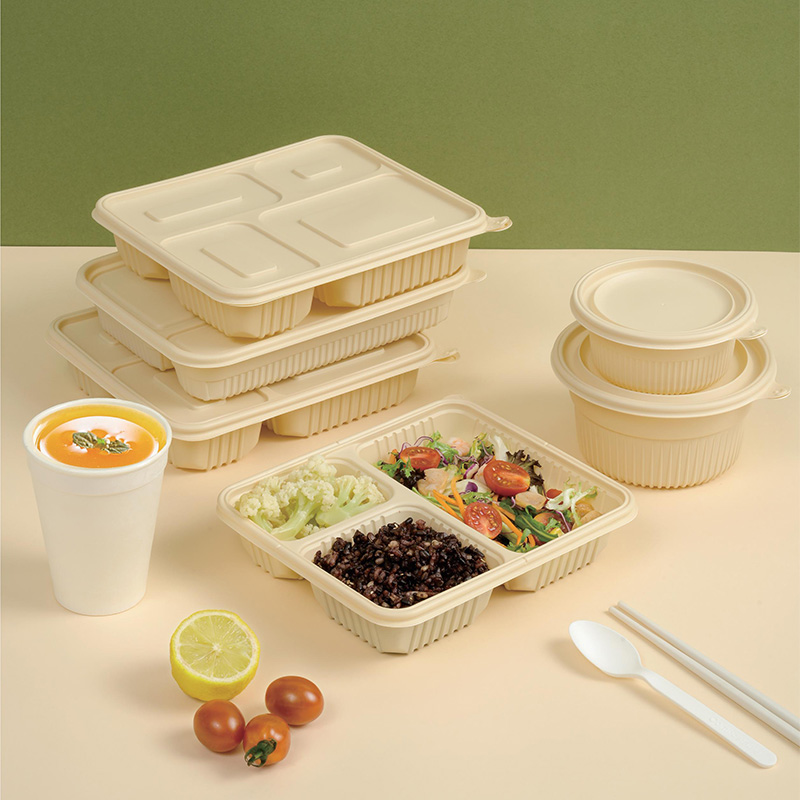
How to Choose the Right Eco Food Packaging
Factors to Consider
Choosing the right eco food packaging involves several important factors. Here’s what to keep in mind:
● Intended Use: Are you looking for single-use or reusable options? Reusable containers are great for everyday meals, while single-use might be necessary for events or takeout.
Types of Food Being Packaged
Different foods require different packaging types. Here’s a quick guide:
Food Type | Recommended Packaging |
Hot Foods | Insulated containers (like glass) |
Cold Foods | Paper or bamboo containers |
Wet Foods | Compostable clamshells |
Dry Foods | Reusable jars or boxes |
● Local Disposal Options: It’s crucial to know how to dispose of your packaging. Check for local composting facilities or recycling centers. This ensures your choice contributes positively to the environment.
Personal Preferences and Lifestyle
Your personal values play a significant role in packaging choices. Consider these aspects:
● Aligning Packaging Choices: Choose packaging that reflects your commitment to sustainability. It’s easier to stick with eco-friendly options when they align with your beliefs.
Convenience vs. Sustainability
● Importance of Convenience: Sometimes, convenience takes precedence. However, it’s essential to find a balance. Look for options that are both easy to use and environmentally friendly.
Encouraging Sustainable Practices
● Daily Life: Incorporate sustainable practices into your routine. For example, carry reusable bags when shopping or choose bulk items to reduce packaging waste. Small changes can make a big difference.
By considering these factors and aligning them with your lifestyle, you can make informed choices about eco food packaging.
Conclusion
Choosing eco food packaging is vital for our planet. It helps reduce waste and supports sustainability.
The most environmentally friendly food container options include reusable and compostable materials.
We encourage you to make informed choices. Every small decision contributes to a sustainable future. Let’s work together for a healthier environment!

 English
 العربية
 Français
 Русский
 Español
 Português
 Deutsch
 italiano
 日本語
日本語 한국어
한국어 Nederlands
 Tiếng Việt
 ไทย
ไทย Polski
 Türkçe
 አማርኛ
አማርኛ ພາສາລາວ
 ភាសាខ្មែរ
 Bahasa Melayu
 ဗမာစာ
ဗမာစာ தமிழ்
தமிழ் Filipino
 Bahasa Indonesia
 magyar
 Română
 Čeština
 Монгол
 қазақ
қазақ Српски
 हिन्दी
 فارسی
فارسی Slovenčina
 Slovenščina
 Norsk
Norsk Svenska
 українська
 Ελληνικά
 Suomi
Suomi Հայերեն
 עברית
עברית Latine
 Dansk
Dansk اردو
اردو Shqip
Shqip Hrvatski
 Aymara
 guarani
 Chichewa
 Runasimi
 Sesotho
 Soomaali


